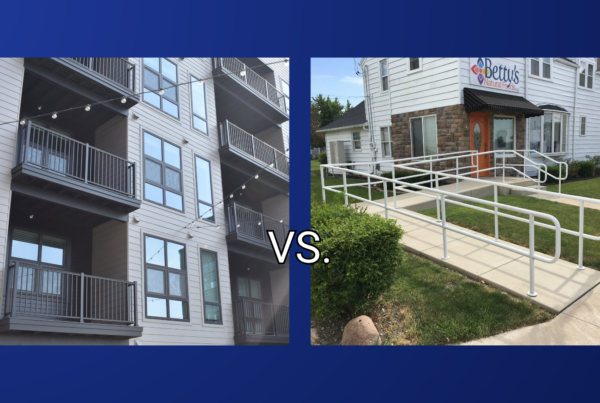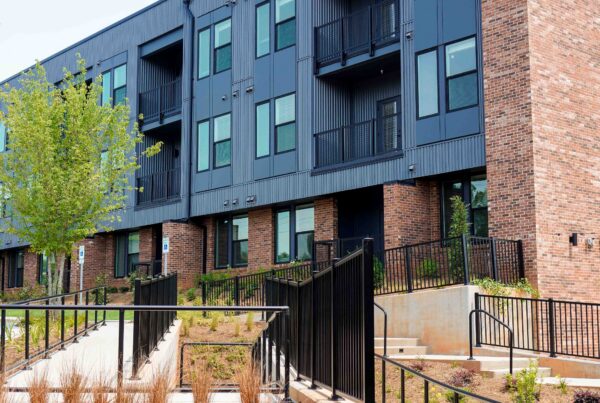

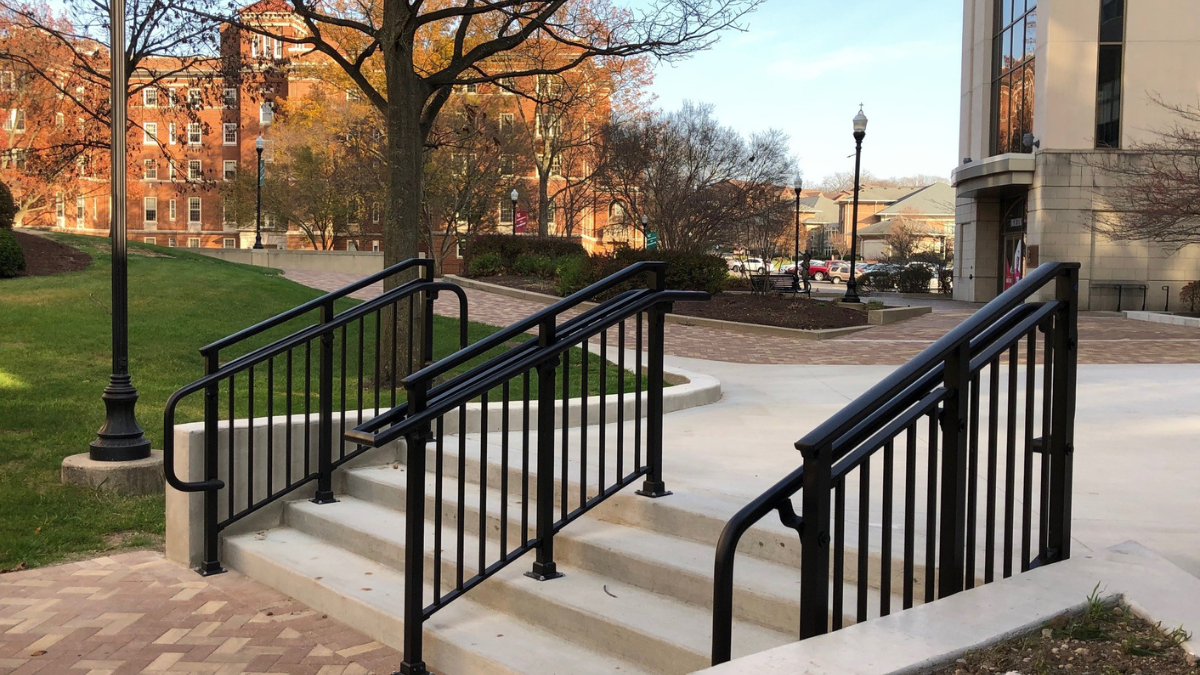
Whether you’re planning a residential project, specifying products for a commercial building, or simply trying to understand the terminology, this guide explains what a railing is, where railings are used, and how they differ from fences and other safety systems.
What Is a Railing?
A railing is a protective barrier designed to prevent falls and provide safety along balconies, decks, elevated walking surfaces, stairs, ramps, and other areas where there is a change in elevation.
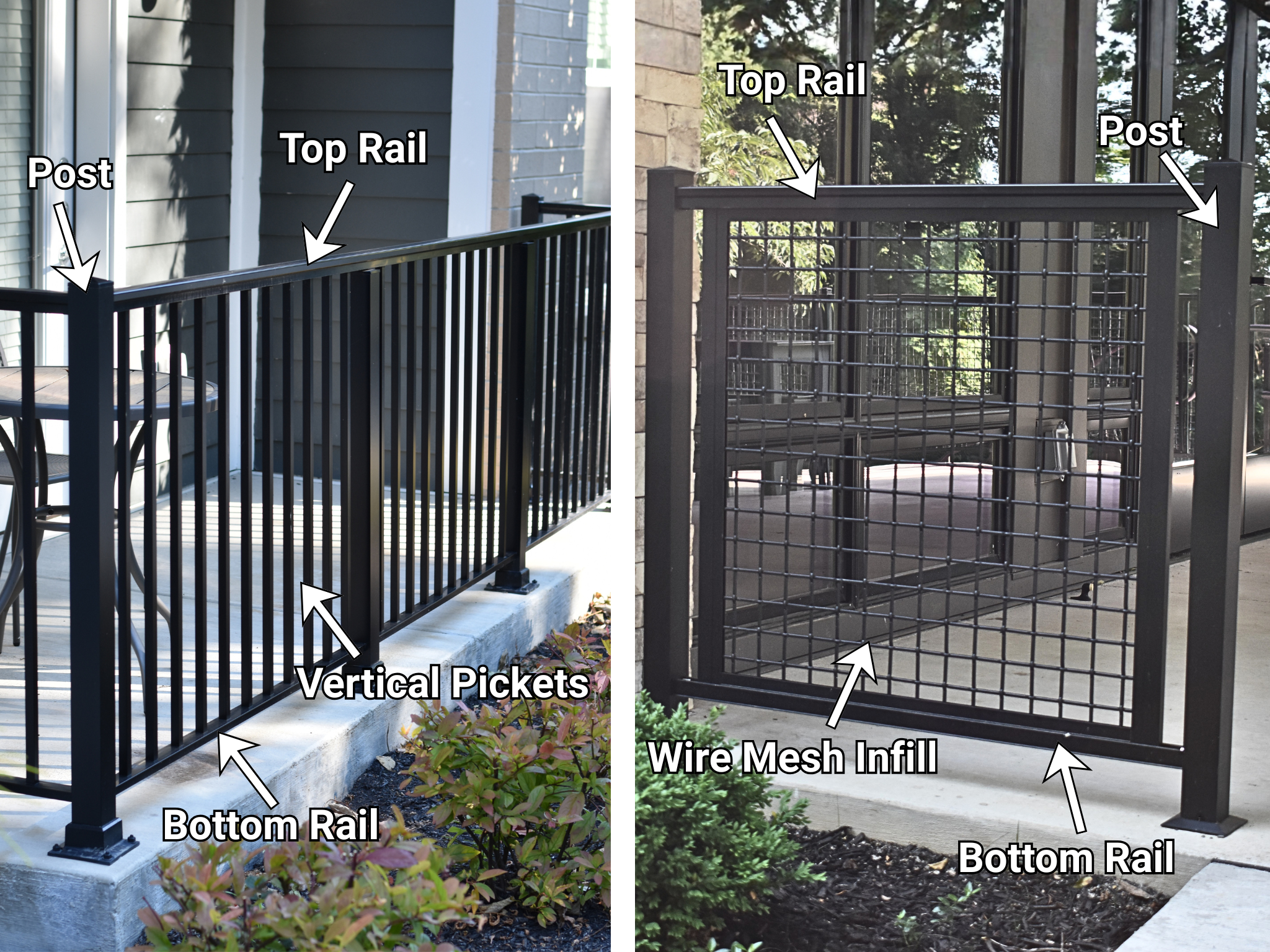
Most railing systems consist of:
- Posts
- A top rail
- A bottom rail (in many systems)
- Pickets or balusters
- Infill materials such as cable, mesh, or glass
The primary purpose of railing is safety. While railing can enhance the appearance of a building or outdoor space, its most important job is helping protect people from falls.
Where Are Railings Used?
Railings can be found in a wide variety of residential, commercial, and public settings.
Deck Railings
Deck railings are among the most common types of railings. They help protect people using elevated outdoor living spaces while defining the perimeter of the deck.
Balcony Railings
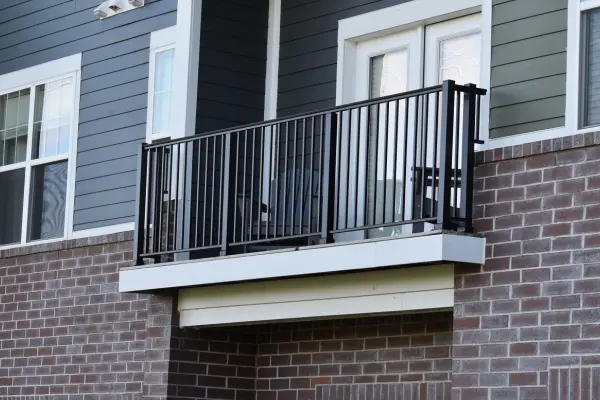
Balcony railings provide fall protection for upper-story outdoor spaces in homes, apartments, hotels, and commercial buildings.
Porch Railings
Porch railings add safety and visual appeal while creating a welcoming entrance to a home.
Stair Railings
Stair railings help users navigate changes in elevation safely and are often paired with handrails for additional support.
Ramp Railings
Accessible ramps frequently require railing systems to improve safety and meet applicable building codes.
Commercial Railings
Commercial railing systems are commonly used in:
- Apartment complexes
- Schools
- Office buildings
- Hotels
- Municipal facilities
- Healthcare facilities
- Retail developments
Because commercial projects often experience heavier traffic, these railing systems are designed to meet more demanding performance requirements.
What Are the Main Parts of a Railing System?
Although designs vary, most railing systems share several key components.
Posts
Posts provide the structural support for the entire railing system and transfer loads to the deck, balcony, or building structure.
Top Rail
The top rail runs horizontally across the top of the system and serves as the primary protective barrier.
Bottom Rail
Many railing systems include a bottom rail that helps support the infill material and maintain structural integrity.
Pickets
Pickets (sometimes called balusters) are the vertical members that fill the space between the top and bottom rails.
Infill
The infill is the material that occupies the open area within the railing system. Vertical pickets are the most common infill option but other options include:
- Horizontal pickets
- Cable
- Glass
- Wire mesh
- Perforated mesh
- Decorative or custom panels
What Is the Difference Between a Railing and a Fence?
This is one of the most common questions people ask. Although railings and fences may appear similar, they serve different purposes.
Railing |
Fence |
| Primarily provides fall protection | Primarily controls access and defines property boundaries |
| Installed on elevated surfaces | Installed at ground level |
| Common on decks, stairs, balconies, and ramps | Common around yards, pools, and property lines |
| Must resist specific safety loads | Generally not designed for fall protection |
| Typically lower in height | Often taller for privacy or security |
A simple way to remember the difference is this:
A fence keeps people in or out. A railing helps keep people from falling.
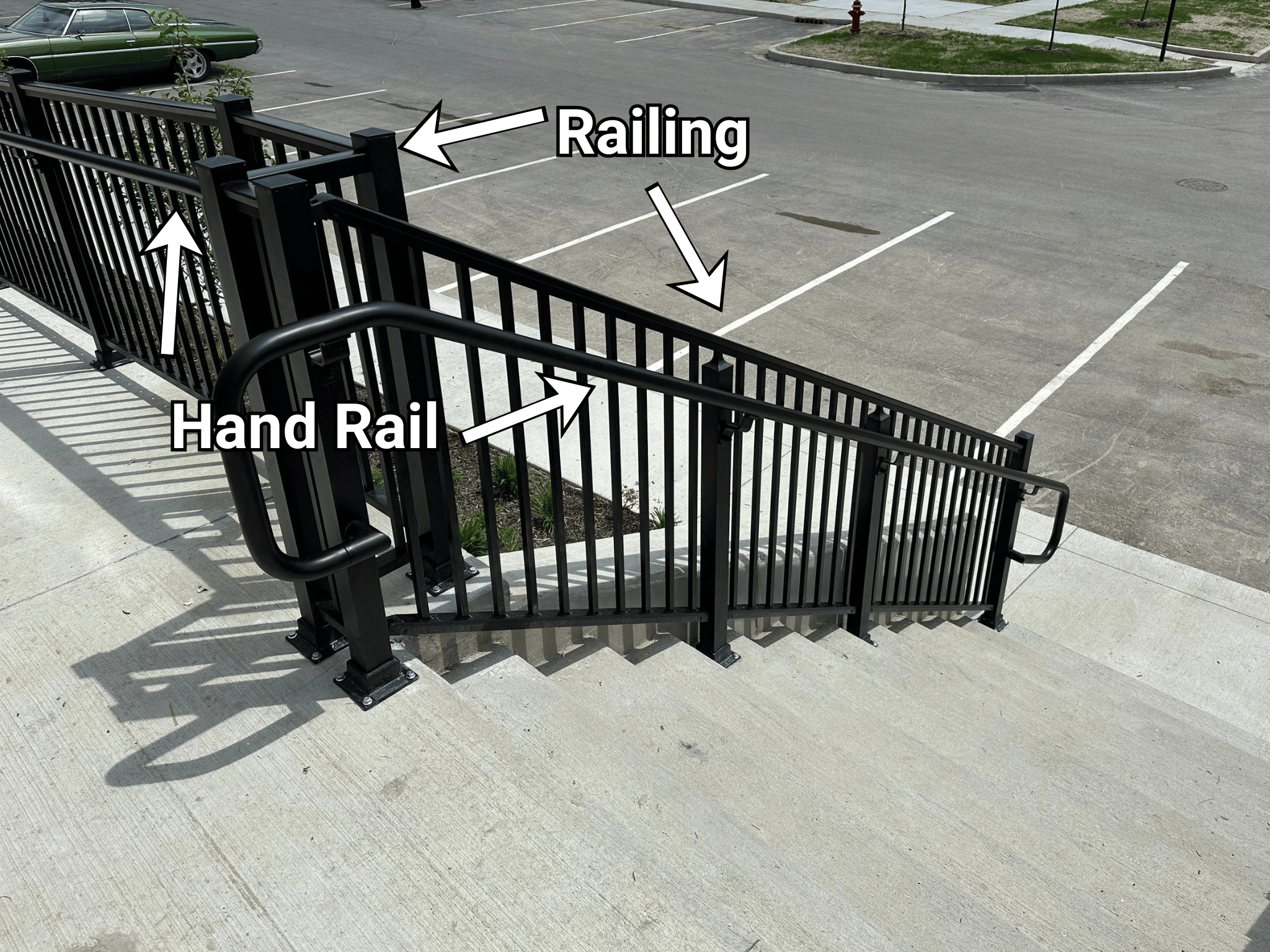
What Is the Difference Between a Railing and a Handrail?
Many people use these terms interchangeably, but they are not the same thing.
As we’ve already discussed, a railing is a protective barrier that prevents falls.
A handrail is a graspable component designed to provide support and stability while walking, especially on stairs and ramps.
A staircase may include both a railing and a handrail, with each serving a different function.
How Tall Should a Railing Be?
Railing height requirements vary based on location, application, and local building codes.
Residential deck railings are commonly required to be at least 36 inches high, while many commercial applications require heights of 42 inches or more.
Because building codes vary by jurisdiction, it’s important to verify current local requirements before beginning any project.
Why Aluminum Is a Popular Choice for Railing Systems
Property owners, architects, builders, and facility managers increasingly choose aluminum railing because it offers an excellent balance of performance, appearance, and long-term value.
Advantages of aluminum railing include:
- Minimal maintenance requirements
- Resistance to rust and corrosion
- Durable powder-coated finishes
- Lightweight yet strong construction
- Long service life
- Wide range of design options
These benefits make aluminum a leading solution for residential, commercial, multifamily, and municipal projects.
Frequently Asked Questions
What is the purpose of a railing?
The primary purpose of a railing is to provide fall protection and improve safety around elevated surfaces and changes in elevation.
Can a railing be used as a fence?
While some railing systems may visually resemble fences, railings are specifically designed for fall protection rather than property enclosure or access control.
What materials are used for railings?
Common railing materials include aluminum, steel, wood, vinyl, glass, cable, and mesh.
What is the most low-maintenance railing material?
Aluminum is often considered one of the lowest-maintenance railing materials because it resists corrosion and does not require regular staining or painting.
Are railings required by code?
In many situations, yes. Building codes often require railings when walking surfaces exceed a specified height above grade. Requirements vary by location and application.
Conclusion
Now that you know what makes a railing a railing, it’s easier to see why these systems play such an important role in both safety and design. Unlike fences, railings are engineered to help protect people from falls while enhancing the appearance of decks, balconies, stairways, and other elevated spaces. With a wide range of materials, styles, and infill options available, today’s railing systems can be tailored to fit nearly any project.
Need help choosing the right railing? Contact Superior Aluminum to speak with a railing expert and explore solutions for your next project.